Why Hydration Is More Important Than You Think for Aging Bodies
For many seniors, drinking water doesn’t feel like a priority. You may not feel thirsty as often, or you might cut back to avoid extra trips to the bathroom. But the truth is, staying hydrated is one of the most important daily habits for healthy aging—especially for older adults in Atlanta, Georgia, where warm weather can increase fluid loss.
Hydration isn’t just about quenching thirst. It’s about keeping your brain sharp, your energy steady, and your body working the way it should.
Dehydration Can Sneak Up on You
As we age, the body’s thirst signals become weaker, meaning you can be dehydrated without even realizing it. Dehydration in seniors can cause:
-
Fatigue and weakness
-
Dizziness and increased risk of falls
-
Confusion or memory problems
-
Constipation and urinary tract infections
-
Headaches and muscle cramps
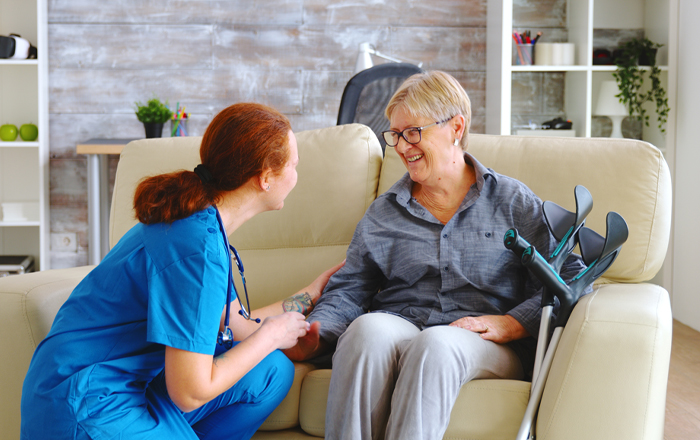
Our in-home caregivers help seniors stay hydrated by offering regular reminders and preparing water-rich meals and snacks.
Water Keeps Your Brain Working Its Best
Your brain is about 75% water, so even mild dehydration can impact focus, memory, and mood. For seniors, this is especially important because dehydration symptoms can mimic signs of Alzheimer’s or dementia.
Hydration benefits for the brain:
-
Improves memory and concentration
-
Reduces irritability and confusion
-
Helps regulate sleep patterns
-
Supports mental clarity during daily activities
If your loved one has memory challenges, our Alzheimer’s & dementia care includes hydration-focused routines to support brain health.
Hydration Supports Mobility and Strength
Water doesn’t just help the mind—it also keeps the body moving. Staying hydrated:
-
Keeps joints lubricated for easier movement
-
Helps muscles contract and recover after activity
-
Maintains energy for walking and exercising
-
Reduces the risk of cramps during daily tasks
For seniors who need mobility assistance, we include gentle hydration reminders as part of our custom care plans.
How Much Water Should You Drink After 60?
A general guideline for older adults is 6–8 cups of fluids per day—but this can vary based on activity level, health conditions, and medications.
Easy ways to get enough:
-
Keep a water bottle within reach all day
-
Flavor water with lemon, cucumber, or berries
-
Drink herbal teas and clear broths
-
Eat water-rich foods like watermelon, oranges, cucumbers, and soups
If remembering to drink water is a challenge, our caregivers can build hydration into your daily routine. Book a care appointment to learn more.
Signs You May Already Be Dehydrated
You might think dehydration means extreme thirst, but for seniors, symptoms are often more subtle.
Watch for:
-
Dark-colored urine or going less often
-
Dry mouth or lips
-
Sudden fatigue or dizziness
-
Confusion or unusual forgetfulness
-
Headaches
These signs should never be ignored. If symptoms are severe, seek medical attention immediately.
Local Atlanta Resource for Senior Hydration and Health
The Georgia Department of Public Health – Healthy Aging Program offers tips and programs to help older adults in Atlanta stay hydrated and manage heat-related health risks.
Pair these public resources with Abba Health Services’ personalized, in-home hydration support for the best results.
Staying Hydrated Protects Your Independence
Good hydration reduces hospital visits, improves mobility, and keeps your mind clear—helping you stay independent longer. Even small changes, like adding a glass of water to each meal, can have a big impact.
💬 Ready to create a care plan that keeps you or your loved one healthy, hydrated, and active? Contact us today and let’s start building daily habits that protect your long-term well-being.
📞 Contact Us
Phone: 678-885-7229
Address: 2470 Windy Hill Road, Suite 300, Marietta, Georgia 30067
Email: [email protected]
Visit Us at Our Atlanta Office
We are proudly serving families in Marietta and the greater Atlanta area. Find us at: